
If you’ve owned a home in Florida for any length of time, you’ve probably heard of a wind mitigation inspection — the process insurers use to understand how well a home is built to withstand wind. It’s worth knowing how a screen enclosure factors into that inspection, and just as importantly, what it doesn’t factor into.
What a Wind Mitigation Inspection Actually Covers
A wind mitigation inspection is a standard, well-documented process in Florida that evaluates features like roof shape, roof-to-wall connections, opening protection (like impact windows or shutters), and roof covering age and type. An inspector documents these features on a standard form, and insurers use that form to help determine pricing and discounts on a homeowner’s policy. It’s focused specifically on the house itself — its roof and openings — not on detached or attached accessory structures like a screen enclosure.
Where Your Screen Enclosure Fits In
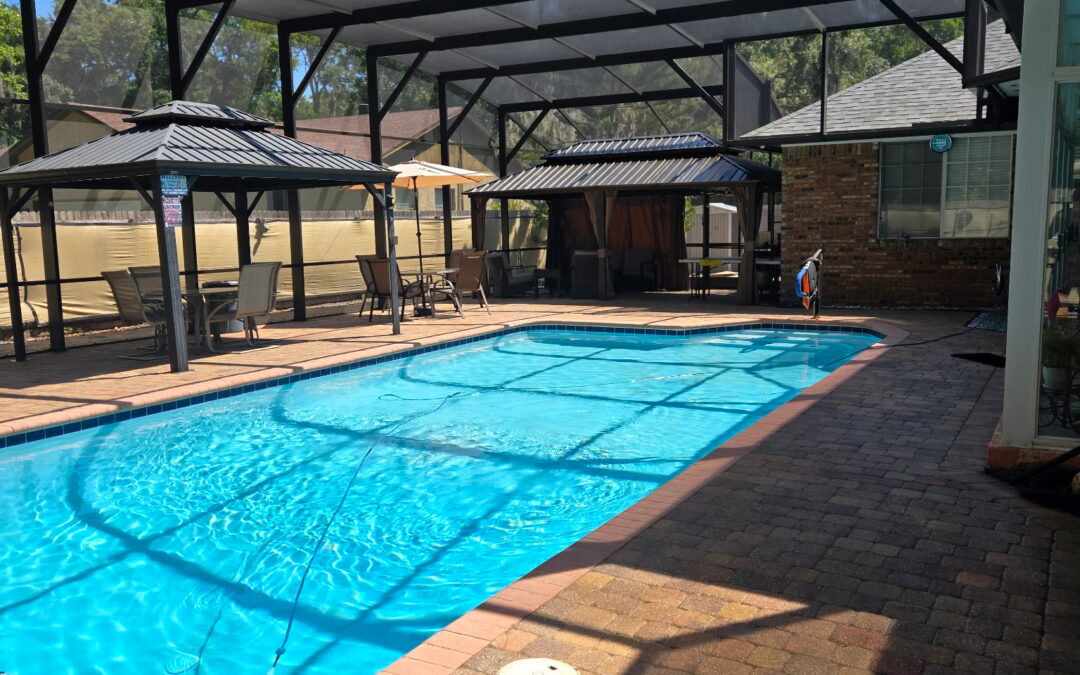
A screen enclosure isn’t part of a wind mitigation inspection in the way your roof or windows are. That said, the enclosure is still an engineered structure attached to or near your home, and how it’s built matters for a different reason: if it’s improperly engineered or unpermitted, it can become a liability during a storm rather than an asset. A properly permitted enclosure, built to current Florida Building Code wind load requirements, is simply a structure that was verified to meet the engineering standard it was designed around — which is a separate but related piece of being a well-prepared, storm-ready property.
Don’t Assume It Lowers Your Premium
It’s tempting to think that a sturdy, code-built enclosure should translate into a lower insurance bill the same way impact windows might. We can’t make that claim — wind mitigation credits are specific to the features insurers have defined and the inspection form covers, and a screen enclosure generally isn’t one of them. If you’re curious whether anything about your enclosure is relevant to your specific policy or inspection, that’s a question for your insurance agent or your wind mitigation inspector directly, not something we can promise one way or the other.
What Permits and Documentation Still Do For You
Even though the enclosure itself likely isn’t part of the wind mitigation form, permit documentation and engineering paperwork still matter for insurance purposes more broadly — they’re often what an insurer asks for if the structure is ever damaged in a storm and you need to file a claim. Keeping that paperwork on file is a separate, practical habit worth having regardless of how it interacts with wind mitigation credits.
Ask Before You Assume
Every policy and every inspector’s process can differ slightly. Before or after your enclosure project, it’s worth asking your agent directly: does my wind mitigation inspection include anything about accessory structures, and does my enclosure’s permit documentation matter for coverage? Getting a direct answer from the people who actually set your rate beats guessing.
We Build the Code-Compliant Structure; Your Agent Handles the Rest
What we can guarantee is that every Kish Enclosures project is engineered to current Florida wind load standards, fully permitted, and documented — giving you the paperwork to bring to that insurance conversation, whatever the answer turns out to be.
Questions about your enclosure project? Call Kish Enclosures at (904) 805-4343 or request a free estimate online.
Related Reading
- Understanding Florida Wind Load Codes for Screen Enclosures
- Screen Enclosures and Homeowners Insurance: What Jacksonville Homeowners Should Know
- Hurricane Season Checklist for Your Jacksonville Screen Enclosure
This article is for general informational purposes and isn’t insurance advice — consult your insurance agent or provider about your specific policy and wind mitigation inspection.